Your Insights
See the patterns your body is telling you. Non-diagnostic trend detection based entirely on data you track -- stored locally, always yours.

Your Insights Are Waiting
Track at least 3 days to unlock your personal dashboard. The more you log, the richer your insights become.
All data stays on your device. No account needed.
Statistics Overview
Cycle Overview
Last 90 daysAverage pain by cycle day, overlaid across all tracked cycles. See how symptoms shift throughout your cycle.
Pattern Detection
Non-diagnosticBased on your logged data, here are patterns we have detected. These are observations, not diagnoses -- always consult a healthcare provider for medical concerns.
Try Next Cycle
Personalized suggestions based on your tracked patterns. Small changes can make a meaningful difference.
Try a consistent bedtime during your luteal phase. Even 30 minutes earlier can improve mood and reduce pain sensitivity.
Adequate hydration can reduce bloating, headaches, and fatigue. Aim for 8 glasses and note the difference next cycle.
On high-pain days, swap intense workouts for gentle walks, stretching, or yoga. Movement helps without overexertion.
Symptom Trends
Last 14 daysTrack how your key metrics change day to day. Sparklines show the recent trajectory of each symptom.
Why Trends Matter
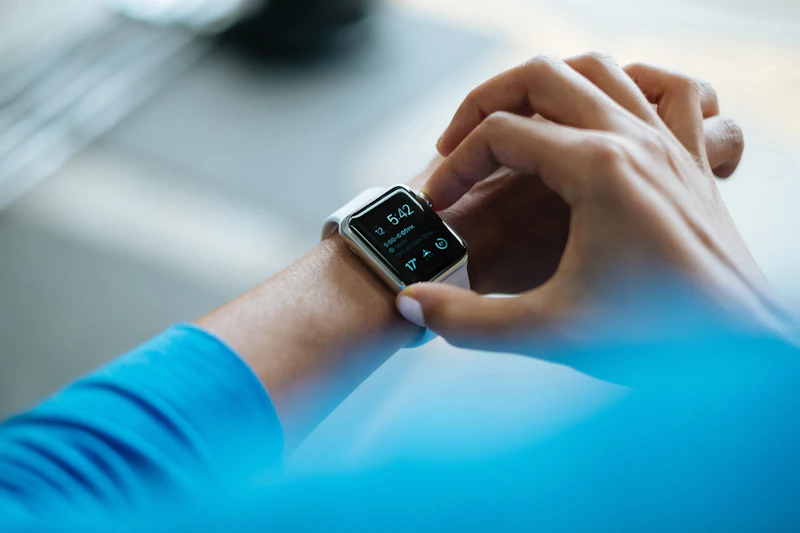
Single days are snapshots. Trends tell the real story. By tracking consistently, you build a personal baseline that helps you notice when something shifts -- whether it is stress creeping up before your period, or energy dipping mid-cycle.
- ✓ Identify your personal patterns over time
- ✓ Spot changes before they become problems
- ✓ Share meaningful data with your healthcare provider
Your Correlations
Based on research and your tracked data, here are common connections between lifestyle factors and cycle symptoms. These are general patterns -- your individual experience may differ.
Research consistently shows that poor sleep quality, especially in the luteal phase, correlates with lower mood, increased irritability, and heightened PMS symptoms. Aim for 7-9 hours.
High stress elevates cortisol, which can amplify pain perception and worsen cramps. Stress management techniques like deep breathing, journaling, or gentle movement may reduce cycle pain.
Moderate exercise during the follicular phase, when estrogen rises, often boosts energy and mood. During the luteal phase, gentler activity may feel more sustainable and still provide benefits.
Paradoxically, drinking more water can reduce water retention and bloating. Progesterone in the luteal phase promotes fluid retention, so consistent hydration helps counteract this effect.
Your Personal Findings
Local data onlyThese findings are computed entirely from your own tracking data. Track more days for more accurate correlations.
Keep tracking to reveal your personal correlations.